





By Dr Owen Hawe
In lots of neighborhoods, the fuel station has quietly turn into the neighborhood hub. It’s the place you choose up milk, bump right into a neighbor or seize a espresso, and also you nearly actually drove there. These locations have been formed by planning and transportation selections that made driving the simplest choice.
The choice is named lively residing: a lifestyle that builds bodily exercise into on a regular basis routines. It isn’t about gymnasium memberships or operating golf equipment. It’s strolling your youngsters to highschool, biking to the shop or strolling to the park as a result of that’s the pure alternative. The proof linking these on a regular basis habits to raised well being is powerful. So why are so many locations nonetheless inbuilt ways in which make lively residing exhausting?
For many of historical past, cities have been constructed for strolling as a result of there was no various. Within the twentieth century, America rebuilt its streets, zoning guidelines, and neighborhoods across the automobile, a rare achievement that reworked mobility and alternative. However in turning into excellent at designing for driving, we regularly forgot to design for strolling.
What I Present in Belfast
I walked and in contrast 4 neighborhoods in Northern Eire’s Belfast. Every was an identical distance from town heart and starting from a number of the metropolis’s most prosperous areas to a few of its most deprived. The distinction revealed that walkability is about greater than any single issue.
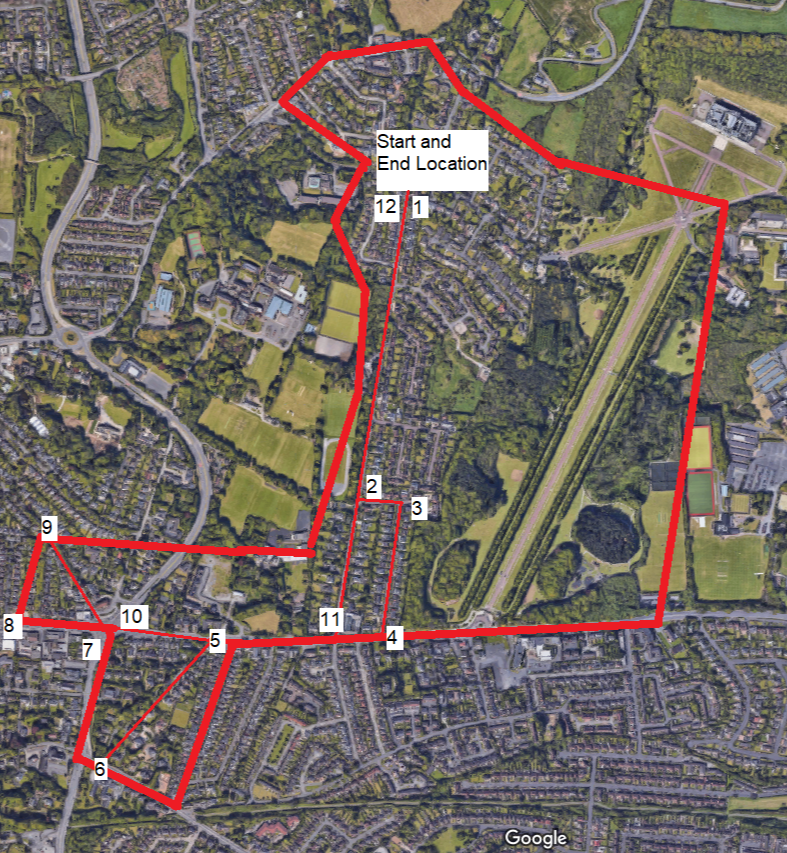
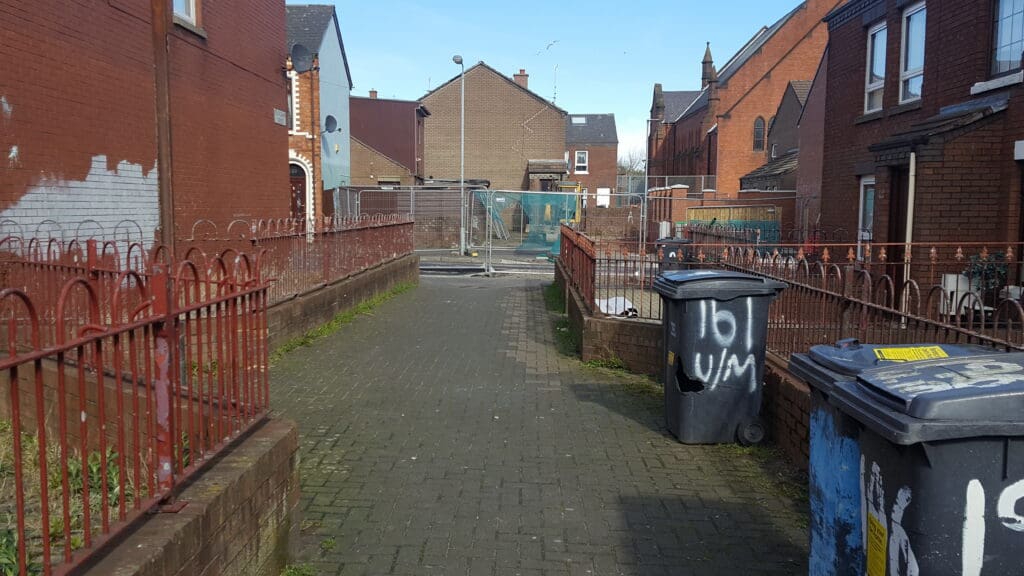
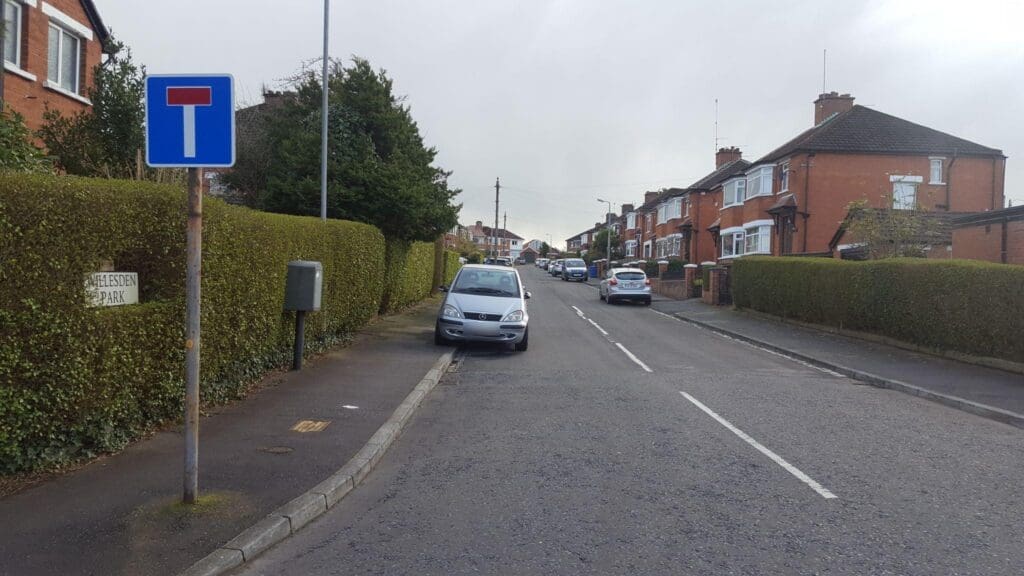
The lower-income neighborhoods have been simpler to navigate on foot, with linked streets and retailers shut by, however suffered from neglect and a much less welcoming public atmosphere. The wealthier neighborhoods felt greener, safer and extra engaging, but their spread-out layouts made on a regular basis life extra car-dependent. The very best locations mix all three issues a great strolling atmosphere wants: streets that make strolling potential, environment that make it satisfying, and locations that convey individuals collectively.
Thoughts the Hole
Right here’s the irritating half. Plans and insurance policies are sometimes stuffed with the fitting substances: walkable streets, linked neighborhoods, and accessible inexperienced area. But good intentions on paper don’t all the time translate into walkable locations in apply, a policy-practice hole.
A part of the reason being that locations are requested to be many issues directly:
We would like walkable streets, however require large parking tons.
We would like sluggish, slim streets, however require them broad sufficient for the most important hearth truck.
We would like nook retailers, however zone them out of residential areas.
Every rule is sensible by itself. Collectively, they pull in several instructions, and with planners, engineers, architects, and builders all balancing totally different priorities, good concepts can get diluted alongside the way in which. Because the previous saying goes, a camel is a horse designed by committee.
Cash issues, too. When budgets tighten, the options that help strolling are sometimes the primary to go. And it’s far simpler to design a walkable place from scratch than to retrofit one later.
However change doesn’t must be dramatic to create dramatic change. New York’s pedestrianization of Occasions Sq. confirmed what is feasible on a grand scale, but pocket parks, avenue bushes, safer crossings, higher lighting, and shopfronts that face the road could make an actual distinction too.
What You Can Do
Discover out what’s already promised. Your metropolis’s complete plan, transportation plan, or well being technique might already help walkability. Typically, the strongest argument is reminding decision-makers of objectives they’ve already endorsed.
Make the financial case. Selections are normally pushed by prices and advantages. More healthy residents, busier native companies and streets individuals need to spend time on are financial arguments, not nice-to-haves.
Become involved early. As soon as a mission is accepted, it’s a lot tougher to vary. The sooner you get entangled, the extra affect you might be more likely to have.
Stroll your streets and write it down. Notice the lacking sidewalks, the crossings that really feel unsafe, the shortcuts which are blocked. Images and notes from residents are highly effective proof.
You recognize your neighborhood higher than any exterior skilled. You recognize which crossings really feel unsafe and which shortcuts individuals use, and sometimes planners gained’t find out about an issue until somebody tells them. What planners can add is the right way to get it fastened: which plan, which division, which pot of cash. Collectively, that’s what will get issues modified.
Protecting Analysis Alive
Throughout my analysis, an architect instructed me: “Don’t let your doctorate sit on the shelf. It may be helpful, and subsequently it ought to be helpful.” That caught with me. It’s why I’m growing ALIVE, the Lively Residing Index for Vibrant Environments, a framework that scores how properly a spot helps lively residing, identifies the enhancements that will make the largest distinction, and maps out the right way to fund them.
In case you’d prefer to know extra, or can be fascinated by assessing your personal neighborhood collectively, I’d love to listen to from you.

Electronic mail Dr Owen Hawe at owenhawe.planner@gmail.com, and observe him on LinkedIn right here.
Dr Owen Hawe is a UK-based city planner whose PhD analysis examined why insurance policies supporting walkable, wholesome locations so hardly ever translate into what will get constructed. He’s growing ALIVE (the Lively Residing Index for Vibrant Environments), a framework to assist communities determine and fund enhancements that help lively residing.